Dry Well Installation in Birmingham, AL
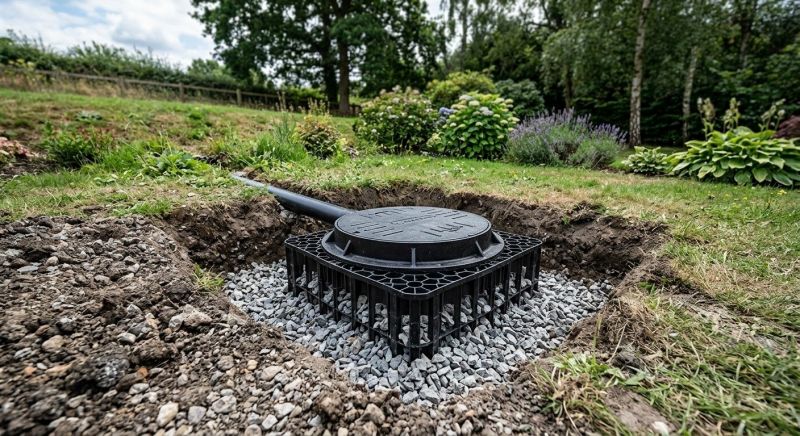
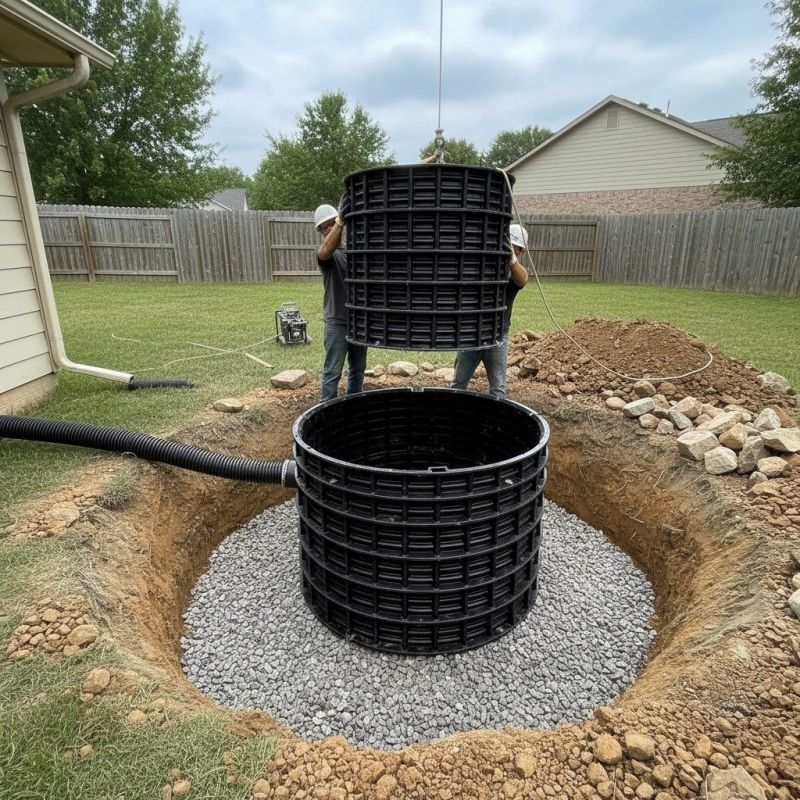
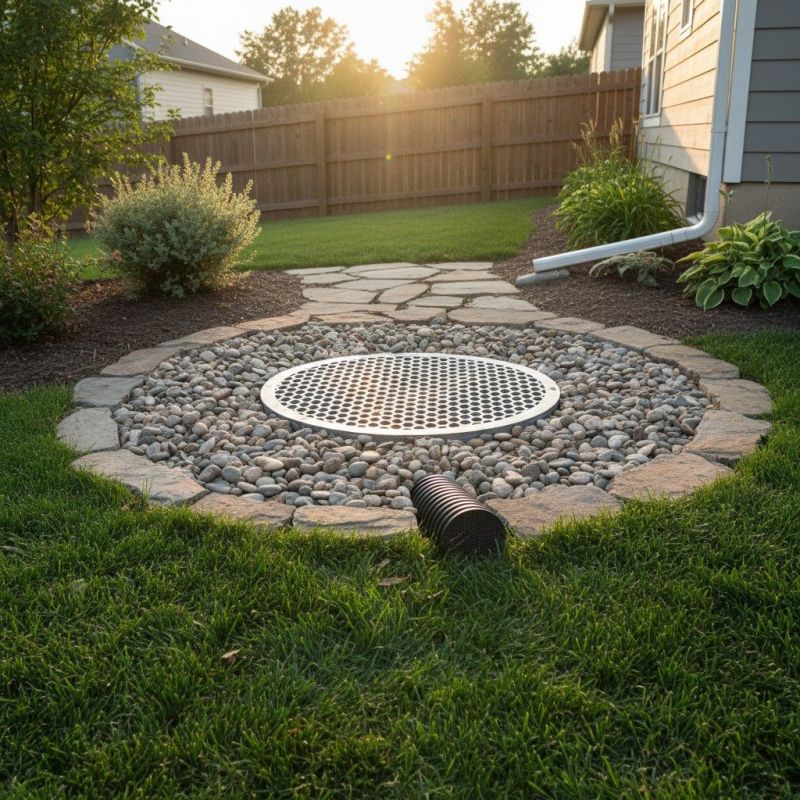
Dry well installation services involve creating underground drainage systems that help manage excess water on residential properties. These systems are typically used to disperse stormwater runoff from roofs, driveways, or landscaped areas, preventing pooling and water damage. Property owners often request dry well installation for projects such as improving yard drainage, preparing for new landscaping, or addressing ongoing water accumulation issues around foundations. Understanding the location, soil conditions, and water flow patterns on the property can help determine the most effective setup for a dry well system.
Before requesting dry well installation, property owners should consider factors like the property's drainage needs, local regulations, and the suitability of the land for underground systems. It’s important to evaluate existing drainage problems and identify areas where water tends to collect. Proper planning ensures the dry well is installed in a way that efficiently directs water away from structures and landscaped areas, reducing the risk of erosion or water damage. Contacting a professional can provide guidance on the best approach to meet specific property requirements and ensure a reliable drainage solution.
Many property owners in Birmingham, AL look into Dry Well Installation for repairs, replacements, upgrades, and appearance-related improvements.
Purpose Of Dry Wells
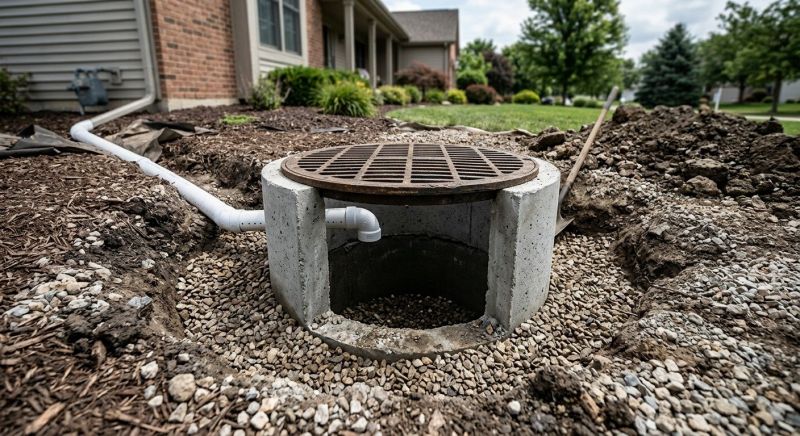
Dry wells help manage excess water runoff and prevent flooding on residential properties.
Common Installation Uses
They are often installed to improve drainage around foundations, driveways, and landscape areas.
Considerations For Property Owners
Proper site assessment ensures effective water management and long-term drainage solutions in birmingham, al.
Dry Well Installation in Birmingham, AL
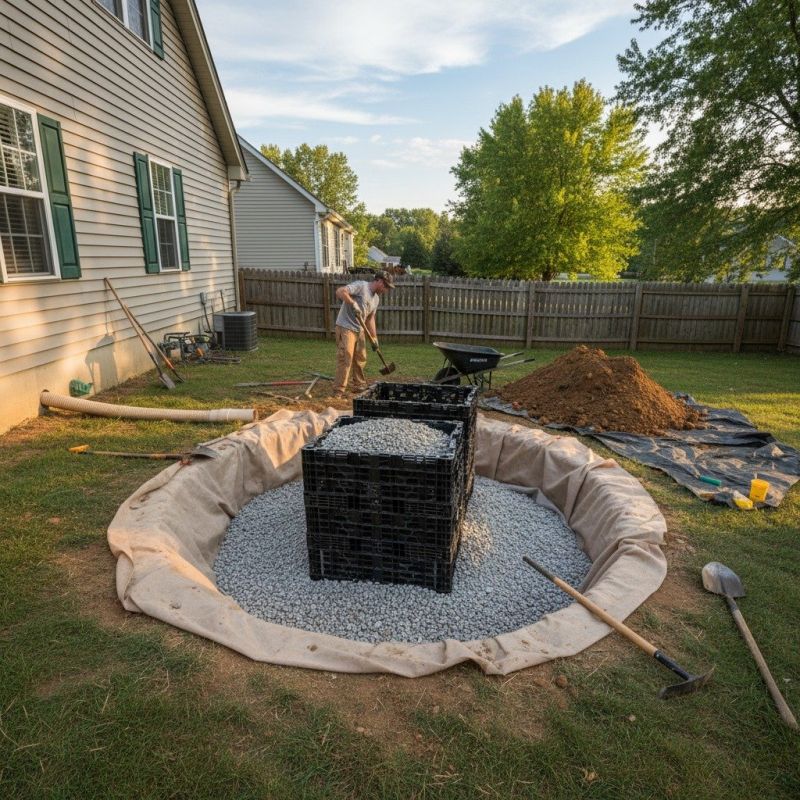
Dry well installation services involve creating underground drainage systems that help manage excess water on residential properties. These systems are typically used to disperse stormwater runoff from roofs, driveways, or landscaped areas, preventing pooling and water damage. Property owners often request dry well installation for projects such as improving yard drainage, preparing for new landscaping, or addressing ongoing water accumulation issues around foundations. Understanding the location, soil conditions, and water flow patterns on the property can help determine the most effective setup for a dry well system.
Before requesting dry well installation, property owners should consider factors like the property's drainage needs, local regulations, and the suitability of the land for underground systems. It’s important to evaluate existing drainage problems and identify areas where water tends to collect. Proper planning ensures the dry well is installed in a way that efficiently directs water away from structures and landscaped areas, reducing the risk of erosion or water damage. Contacting a professional can provide guidance on the best approach to meet specific property requirements and ensure a reliable drainage solution.
Many property owners in Birmingham, AL look into Dry Well Installation for repairs, replacements, upgrades, and appearance-related improvements.
Common Dry Well Installation Jobs
Dry Well Installation - helps manage excess water runoff to prevent pooling and erosion.
Drainage System Setup - provides effective water dispersal away from foundations and landscaping.
Stormwater Management - reduces the risk of basement flooding during heavy rains.
Yard Drainage Solutions - improves soil drainage for healthier lawns and garden areas.
Foundation Protection - minimizes water-related damage to building structures.
Water Diversion Systems - directs runoff safely to maintain property stability and safety.
Dry Well Installation Questions
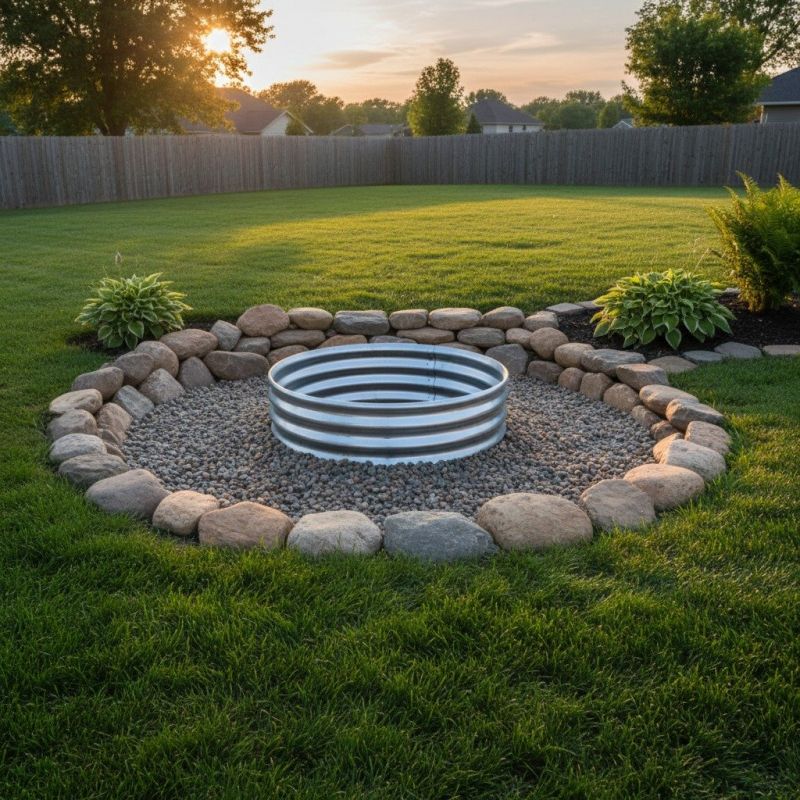
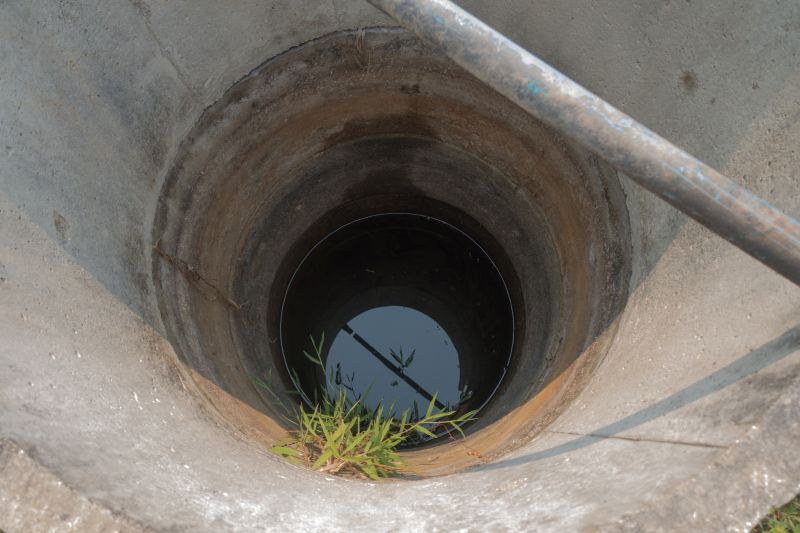
What is a dry well? A dry well is an underground structure that helps manage excess water runoff by directing it away from foundations and drainage systems.
When is a dry well needed? A dry well is often used when property drainage needs improvement, especially in areas prone to standing water or poor soil absorption.
How does a dry well work? It collects water from downspouts or drainage pipes and disperses it gradually into the surrounding soil underground.
What types of projects typically require a dry well? Dry wells are commonly installed for residential drainage, landscape irrigation runoff, and to prevent basement flooding in homes.
Request Dry Well Installation in Birmingham, AL
Use the quote form on this page to share the basics of your project and request more information for the type of work you need.